
A few years ago, a TV commercial and a couple of billboards were enough to make a brand feel “big” in Pakistan. That’s no longer true. Today, the average Pakistani consumer scrolls through Instagram reels, YouTube vlogs, and TikTok clips for hours before they ever see a traditional ad — and by the time they do, a creator they trust has usually already shaped their opinion.
That shift is exactly why influencer marketing has become the backbone of modern brand-building in Pakistan, and why agencies built specifically for this landscape — not just repurposed ad agencies — are winning.
Trust Travels Faster Than Advertising
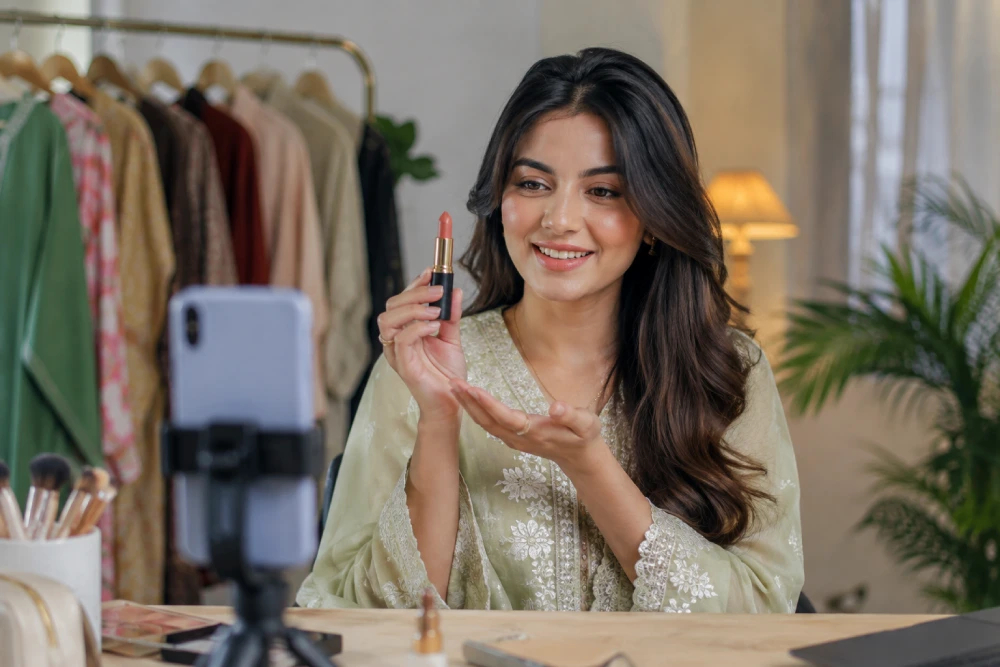
The core reason influencer marketing outperforms traditional media is simple: people don’t trust ads, they trust people. A recommendation from a creator who feels like a friend, a cousin, or a familiar face on their feed carries far more weight than a polished 30-second spot. This is even more pronounced in Pakistan, where family, community, and word-of-mouth have always driven purchase decisions — influencer content simply digitizes that same trust.
It Works Across Every Sector
What makes influencer marketing so powerful is how universally it applies. A heritage FMCG brand like a rooh afza-style summer drink can use recipe-led, culturally rooted content to reconnect with younger audiences. A fashion label can turn a seasonal collection into a talked-about moment through the right stylist and creator collaborations. Even categories that feel “serious” — home care, automotives, personal care — see real lifts in awareness and trust when the storytelling feels authentic rather than scripted.
The common thread across successful campaigns isn’t the size of the influencer’s following — it’s whether the content feels native to the platform and true to the brand.
Data Makes It Accountable
The other reason brands are shifting budgets toward influencer marketing is measurability. Unlike a billboard, a well-run influencer campaign can be tracked down to reach, views, engagement rate, and follower growth in real time. That means every rupee spent can be justified with a number, not just a feeling — which matters enormously to marketing directors who have to defend their budgets.
Some real outcomes from recent Pakistani campaigns illustrate this well: a fashion-forward seasonal campaign generating 40M+ reach and 58M+ views through a mix of influencer storytelling and PR placements, or a food brand campaign crossing 18M+ views through dozens of influencer collaborations. These aren’t vanity numbers — they translate directly into awareness, consideration, and ultimately sales.
The Network Matters as Much as the Strategy
Anyone can find ten influencers and send them a product. The harder part is knowing which of the hundreds of creators across Pakistan — and increasingly, expat Pakistani voices abroad — will actually move the needle for a specific brand, category, and audience. That requires an existing network built on real relationships, not a cold DM list.
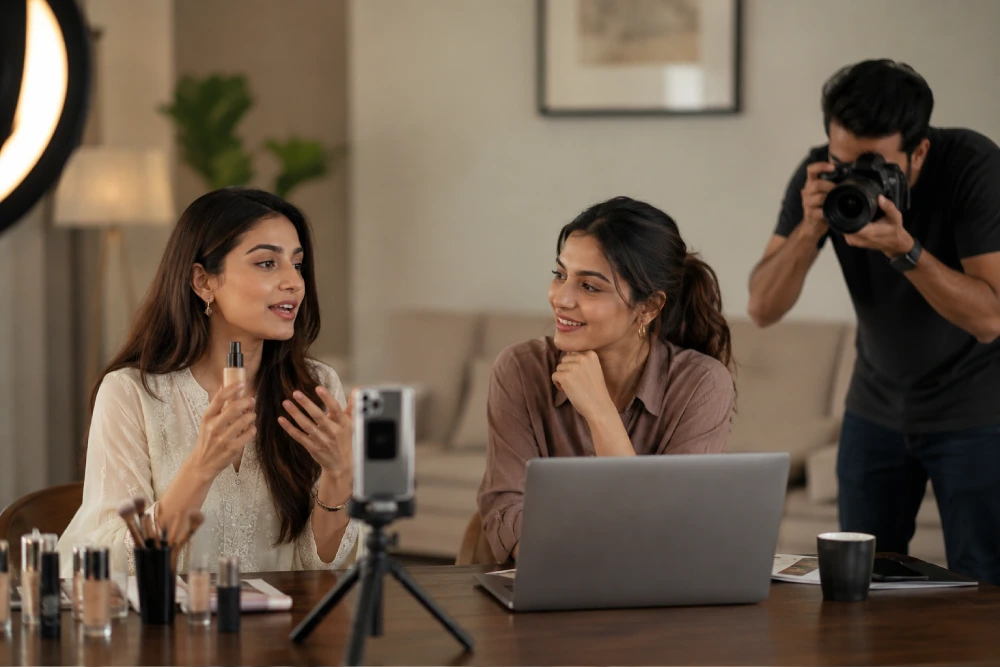
This is where working with a dedicated influencer marketing agency pays off. Instead of guessing, brands get access to a curated network of creators already vetted for authenticity and performance, paired with a content and PR strategy that ties everything back to measurable business goals.
The Bottom Line
Influencer marketing in Pakistan isn’t a passing trend — it’s the new default way brands earn attention, build trust, and stay relevant in a crowded feed. The brands winning today aren’t necessarily the ones with the biggest budgets; they’re the ones telling the most authentic, culturally rooted stories, backed by the right creators and the right data.
If your brand is still treating influencer marketing as a side experiment rather than a core strategy, 2026 is the year to change that.